 24/7 Hawaiian
 Deep Dive
 Deep Dive into Water Safety
Airing every Third Friday 10am-11am.
Nationally distributed podcast coming soon! Hear all the episodes right here.
“Drowning Is Preventable”
Responding to the need in the community for more education and information about water safety, this show wants to start the conversation on keeping everyone safe in the water.
Presented by Margaret Wright, a board member of the Kauaʻi Lifeguard Association. Engineered by Anni.
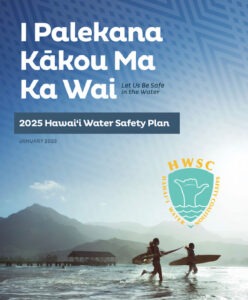
Read the 2025 Hawaii Water Safety Plan.
Watch an impactful video about water safety, distributed – or should be – on incoming flights to Hawaii.
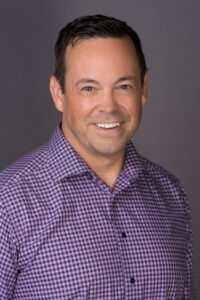
August 24, 2026: Beyond Swim Lessons: Building Lifelong Water Safety
What does it really mean for a child to be safe around water?
Chris Harkness, President of SafeSplash Swim School, talks about why learning to swim is only part of the answer. He explains the Safer Swimmer Promise, the self-rescue skills children should develop, and why becoming a capable swimmer takes time, repetition, and consistent practice. For many children, that process can take eight to twelve months rather than a few weeks of lessons. The conversation looks at how we define water competency and whether children are learning skills they can actually use if they unexpectedly find themselves in trouble. Harkness discusses the importance of teaching children how to respond independently in the water while recognizing that no level of swimming ability makes a child drown-proof.
Swim lessons are also only one layer of protection. Active adult supervision, barriers around pools, CPR, emergency planning, and knowing how to respond when something goes wrong all play a role in preventing drowning and improving outcomes. A key part of the discussion focuses on what happens when swimmers leave the pool. Oceans, lakes, and rivers introduce waves, currents, changing depths, cold water, and other conditions that cannot be fully recreated in a controlled swimming environment. Harkness discusses this gap and the possibility of bringing more open-water preparation into SafeSplash programming.
The interview also explores access. Scholarships, community partnerships, and other approaches can help make swimming instruction available to more families. But learning the skills is only the beginning. How well do children retain those skills months or years later, and how often do they need to practice to remain competent?
The bigger question is not simply whether a child can swim. It is how we build a system that gives children the skills, judgment, experience, and layers of protection they need to be safer around water throughout their lives.
CLICK HERE TO DOWNLOAD
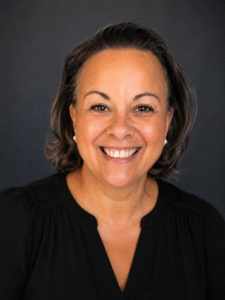
August 20, 2026: Beyond the Plan: Turning Water Safety Into Action with Nathalie Martin
Drowning prevention does not begin with a swimming pool. It begins with knowledge, local leadership, and the willingness to use the resources a community already has.
Nathalie Martin discusses how her work in aquatics, research, humanitarian settings, and drowning prevention led to the creation of the Swim Global Project, a network designed to connect people across a water safety field that can often be fragmented. By bringing together swim school owners, researchers, public health professionals, operators, and other practitioners, Swim Global helps share knowledge, strengthen collaboration, and identify practical approaches to prevention.
Drawing on work in Bimini and Venezuela, Martin explains why effective water safety efforts must be built with communities rather than simply brought into them. In Bimini and other Caribbean communities, fear of the water, generational trauma, and long standing misinformation can influence swimming ability and attitudes toward the ocean. Sustainable change depends on community trust, local leadership, and building the capacity of people who will remain after outside experts leave.
Martin also emphasizes that water safety education does not have to wait for access to a pool. Important lessons about hazards, supervision, rescue, decision making, and safe behavior can begin on land. Practical prevention means starting with what a community already has, using evidence and expertise where needed, and avoiding the assumption that every solution must be built from scratch. The conversation ultimately moves beyond creating water safety plans to the harder question of implementation. Plans are important, but their value comes from whether they lead to education, stronger local capacity, measurable action, and prevention in the real world.
“Water safety plans should not simply sit on a shelf; they should become a pathway for action.”
CLICK HERE TO DOWNLOAD
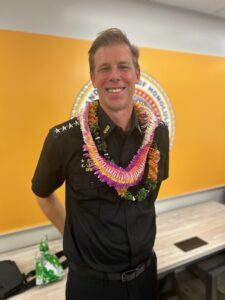
August 16, 2026: Before the Rescue: Can Hawaiʻi Become the World’s Model for Water Safety? Chief Kurt Lager on the Future of Ocean Safety in Hawaiʻi
What if the future of ocean safety begins before anyone needs rescuing?
Honolulu Ocean Safety is entering a new era. Now operating as an independent department, it has a greater ability to shape its staffing, equipment, facilities, budget and future direction. In this episode of Deep Dive Into Water Safety, Chief Kurt Lager explains how that change could help Hawaiʻi move beyond responding to emergencies and reach people before an emergency happens. Better data is central to that vision. Through Watchtower, lifeguards can document not only rescues, but also the preventive actions they take every day. Those numbers can reveal patterns, guide resources and show a different measure of success: how many emergencies never happen because a lifeguard stepped in early.
The conversation also confronts one of Hawaiʻi’s most urgent challenges: protecting visitors, particularly from snorkeling related fatalities. Lager discusses working with the Hawaiʻi Tourism Authority, airlines and other partners to deliver meaningful water safety information during booking, before arrival and throughout a visitor’s stay, rather than waiting until someone reaches the beach. But lifeguards cannot do this alone. Lager calls for stronger collaboration among counties, educators, government and community partners such as Nā Kama Kai and the Hawaiʻi Water Safety Coalition. The episode also explores why meaningful water safety education must return to Hawaiʻi’s schools so children grow up recognizing hazards, making safer decisions and developing water competency.
The timing is especially meaningful. Lifeguard Appreciation Week runs August 17 through 23, 2026, while Duke Kahanamoku OceanFest takes place August 14 through 24, 2026. Together, they offer a powerful moment to recognize lifeguards, celebrate Hawaiʻi’s ocean culture and ask how that culture can become part of a stronger statewide system of prevention. The episode builds toward a larger question: Can Hawaiʻi become the model for water safety that the rest of the world follows? For Lager, that is exactly the opportunity ahead.
“We should be a leader in water safety in the world. We should be the model that everyone else follows.” –Chief Kurt Lager
CLICK HERE TO DOWNLOAD
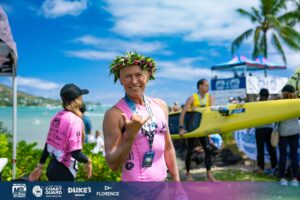 August 6, 2026: What Nine Championships Teach You About the Ocean: Kanesa Duncan Seraphin
Nine-time Molokaʻi to Oʻahu prone paddleboard world champion Kanesa Duncan Seraphin has spent a lifetime learning from the ocean. A Hawaiʻi Waterman Hall of Fame inductee, marine scientist, educator, and host of the award winning Voice of the Sea, Kanesa brings a rare combination of elite ocean experience and scientific knowledge. Fresh off her historic ninth M2O victory, Kanesa joins Deep Dive Into Water Safety to talk about what decades on the water have taught her about preparation, judgment, risk, and respect for the ocean. She also discusses work on ciguatera and why she joined a leg of Kauaʻi Ocean Safety Chief Kalani Vierra’s Paddle for Life, a 100-mile journey around Kauai focused on water safety, drowning prevention, and community awareness.
Throughout the conversation, one message keeps emerging: prevention requires more than telling people to “be careful.” Hawaiʻi needs better drowning and nonfatal incident data, stronger education, effective visitor communication, well supported and well-trained lifeguards, and practical safety systems that people can use. Lifeguards remain one of Hawaiʻi’s most important sources of ocean knowledge, yet the discussion highlights the need for greater recognition, staffing, training time, and investment in these frontline professionals. Ultimately, this episode asks a larger question: Can Hawaiʻi make ocean competency part of its culture of prevention? From classrooms and canoe clubs to airports, airlines, beaches, and lifeguard towers, the opportunity is to give residents and visitors the knowledge, skills, judgment, and respect needed to make better decisions around the ocean It’s a conversation about much more than winning races. It’s about how experience, science, education, and connection to the ocean can help all of us make safer decisions in and around the water.
CLICK HERE TO DOWNLOAD
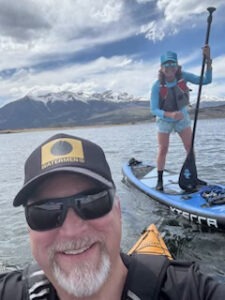 July 30, 2026: Alissa Magrum paddles with Kalani Vierra for Paddle for Life
The conversation focuses on drowning prevention through awareness, collaboration, and data-driven solutions. Alissa Magrum (NDPA) discusses her participation in the Paddle for Life event, a 100-mile paddle around Kauaʻi led by Kalani Vierra, OSB Chief for Kauai, to raise awareness and funds for water safety. Alissa shares both the physical experience and the emotional motivation behind her work, emphasizing that drowning is often overlooked until it directly impacts families
A key theme is that drowning is a global, preventable issue that requires more public attention and everyday conversation
The interview then shifts to innovation, featuring Norm Reitter’s Water Ranger program, which uses volunteers and mobile technology to collect real-time data on water conditions, behaviors, and safety equipment. This data helps identify risks, improve placement of resources like rescue tubes and life jackets, and guide prevention strategies
Overall, the discussion highlights:
- The power of community-driven awareness campaigns
- The need for better data to inform prevention efforts
- The importance of collaboration across organizations and regions to reduce drowning rates
CLICK HERE TO DOWNLOAD
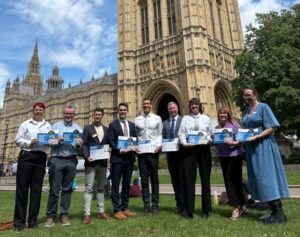
June 30, 2026: Building Water Competence: What Hawaiʻi Can Learn from England
Every child deserves the knowledge and confidence to make safe decisions around water. But what is the best way to teach it?
This episode explores England’s nationally coordinated approach to water safety education and the lessons it offers for Hawaiʻi. It examines why England developed a National Water Safety Competency Framework and National Water Safety Education Pathway, bringing leading organizations together to deliver consistent, evidence based water safety education from early childhood through secondary school.
A central theme is the difference between teaching children to swim and developing true water competence, the knowledge, skills, judgment, and behaviors needed to recognize hazards, assess risk, make informed decisions, and respond safely in and around water.
The discussion explores how England is evaluating classroom and lifeguard led education, the importance of reinforcing water safety throughout a child’s education, and the challenge of determining whether increased knowledge translates into safer behavior and fewer drownings.
The episode also examines emerging challenges, including climate change, heatwaves, flooding, storms, and changing coastal conditions. It highlights how these issues are being incorporated into school education, public awareness campaigns, and outreach efforts before periods of increased water risk.
Finally, the conversation considers practical ideas that could be adapted for Hawaiʻi, including proactive lifeguard engagement with beach users, measuring prevention activities alongside rescues, improving data collection on near misses and nonfatal drownings, and building on successful community programs such as Nā Kama Kai.
Whether you’re a parent, educator, lifeguard, policymaker, or simply interested in drowning prevention, this episode demonstrates how a coordinated, evidence based approach to water safety education can help build lifelong water competence and save lives.
CLICK HERE TO DOWNLOAD
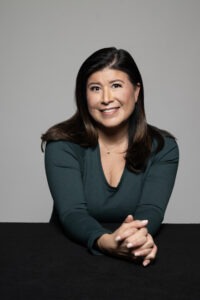
June 18, 2026: What does kuleana really mean?
In this thought provoking conversation, award winning journalist Sara Kehaulani Goo, President of Creator Content at The Washington Post and author of Kuleana: A Story of Family, Land, and Legacy in Old Hawaiʻi, shares the story behind her family’s effort to protect ancestral land on Maui and the deeper journey that followed into history, identity, culture, and the responsibilities we inherit from those who came before us.
Sara explains that kuleana is often translated as responsibility, but in the Hawaiian understanding it means much more. It is an honor, a stewardship, and a commitment to something larger than ourselves. It connects us to family, community, place, and future generations.
The conversation explores the legacy of the Māhele, the Hawaiian Renaissance, the experiences of Native Hawaiians living throughout the diaspora, and what visitors should understand when they come to Hawaiʻi. Sara encourages visitors to approach Hawaiʻi with curiosity, humility, and a desire to learn. She reminds us that Hawaiʻi is not simply a vacation destination, but a living culture, a unique environment, and a place with a rich history that deserves understanding and respect. She encourages visitors to become more informed travelers, to appreciate the culture and history of the islands, and to recognize their connection to the places and communities they visit.
Along the way, Sara challenges listeners to consider a simple but powerful question: What’s your kuleana?
For Deep Dive Into Water Safety, this conversation offers an important insight. Building a culture of safety is not only about sharing information. It is about helping people feel connected to the places they visit, and to the communities they become part of. People protect what they value, and they value what they understand.
Whether your kuleana is to family, culture, land, water, or community, this episode explores a Hawaiian idea that may have something to teach all of us. Because the question is not just what kuleana means, the question is: What’s your kuleana?
CLICK HERE TO DOWNLOAD
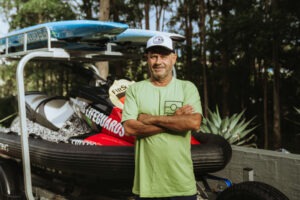
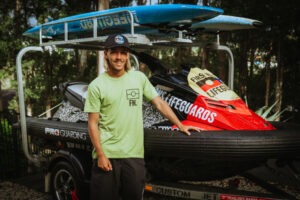 June 16, 2026: Eyes for Lives: Building the Next Generation of First Nations Lifeguards
What if one of the most effective ways to prevent drowning is not a new rescue technique, but helping people reconnect with culture, community, and the ocean? In this episode of Deep Dive Into Water Safety, Bundjalung Saltwater People Brook Silvester and his son Zane join the program to discuss the work they are doing to create new pathways into water safety for Indigenous youth on Australia’s Gold Coast. Among many coastal First Nations communities in Australia, Saltwater People are those whose identity, culture, stories, food sources, travel routes, and responsibilities are closely tied to the sea and waterways. Knowledge of currents, tides, weather, fishing grounds, and safe movement through the water has traditionally been passed from one generation to the next.
Brook is the founder of First Nations Lifeguards and Bombora Surf School. He brings more than four decades of experience in and around the ocean as a surfer, water cinematographer, surf coach, and lifeguard. Many people will also recognize Brook’s work behind the camera on Bondi Rescue, where he spent more than 11 years filming rescues and working alongside some of Australia’s most experienced lifeguards, including Bruce “Hoppo” Hopkins. Brook credits those experiences, and Hoppo’s mentorship, with helping shape his approach to water safety one that focuses not only on rescue, but on prevention, education, trust, and community connection. Zane is a professional sponsored surfer, surf coach, lifeguard, and proud Bundjalung man who is helping carry that work forward. He understands the importance of being visible to young Indigenous people who may never have seen someone from their community working in those roles.
The conversation centers on the First Nations Lifeguards Academy, the Eyes for Lives pathway, and Bombora Surf School. While these programs teach swimming, surfing, ocean awareness, hazard recognition, and lifesaving skills, they are really about something much bigger. They are about confidence, identity, leadership, and connection. For Saltwater People, the ocean is not simply a place for recreation. It is connected to culture, family, story, responsibility, and knowledge that has been passed from one generation to the next for thousands of years. Brook and Zane explain how reconnecting young people to that knowledge can also help create safer relationships with the water.
At the center of that work is Eyes for Lives, a pathway that helps young people develop water confidence, environmental awareness, leadership skills, and a sense of belonging before moving toward lifeguard qualifications and employment opportunities. The goal is not simply to create lifeguards. It is to create future leaders. Brook also shares the story behind the name Bombora Surf School. A bombora is an offshore reef or submerged rock formation that can create powerful breaking waves. Like the ocean environments that inspired its name, the school emphasizes awareness, respect, and learning how to read the water safely.
Throughout the conversation, Brook and Zane make the case that water safety starts long before a rescue ever happens. It starts with helping people build a relationship with the ocean, understand the environment, and feel like they belong there.
Their message is simple: when people feel connected to the water, their culture, and their community, they are more likely to develop the knowledge, confidence, and respect needed to stay safe.
CLICK HERE TO DOWNLOAD
June 15, 2026: Sam Proffitt: Beyond the Rescue: What One Rip Current Incident Teaches Us About Saving Lives
This episode features Sam Proffitt, Ocean Rescue Director for Wrightsville Beach, firefighter, paramedic, veteran lifeguard, researcher, and member of the International Drowning Researchers’ Alliance (IDRA). His work bridges frontline rescue operations and drowning research, including studies on drowning care, responder mental health, rip currents, and emergency messaging. Also joining the conversation was Lt. Jamie Miess of Wrightsville Beach Ocean Rescue.
A recent high-profile rip current rescue featured on Good Morning America became the starting point for a far-reaching discussion about drowning prevention, emergency response, public education, data collection, lifeguard mental health, and the future of water safety. The conversation began with a review of the rescue itself. Sam Proffitt, who responded to the incident, described arriving after reports of multiple swimmers in distress approximately 50–55 yards offshore. Rescuers made immediate contact with a child and recovered an unconscious adult who had become submerged. Initial treatment included five rescue breaths, chest compressions, CPR, police assistance, and transport to a trauma center.
The rescue also sparked a broader discussion about media coverage and public messaging. Participants noted that early news reports often contain inaccuracies because they rely on witness accounts collected during stressful and chaotic situations. Rather than focusing on sensational details, speakers argued that media coverage should emphasize prevention. The group emphasized that drowning is a process rather than a single event. Panic, increasing fatigue, loss of confidence, and physiological deterioration often occur long before a person submerges. Participants argued that public education should focus on helping people recognize the early stages of distress and understand how drowning develops.
CLICK HERE TO DOWNLOAD
 June 4, 2026: Dr David Szpilman: Drowning Is Preventable: What if one of the biggest barriers to preventing drowning isn’t a lack of rescue skills, but how we think about drowning itself?
Physician, researcher, and drowning prevention pioneer Dr. David Szpilman joins Deep Dive Into Water Safety to discuss the science, data, and lifesaving strategies that have helped reshape drowning prevention around the world and what Hawaiʻi can learn from them.
Dr. David Szpilman is a physician, founder of SOBRASA (the Brazilian Lifesaving Society), creator of the internationally recognized Szpilman Drowning Classification System, and one of the world’s leading voices in drowning prevention. In this episode of Deep Dive Into Water Safety, Dr. Szpilman discusses why drowning should be viewed as a preventable process rather than an unavoidable accident. He explains the importance of using consistent terminology, including moving away from outdated terms such as ‘near drowning,’ to improve data collection, treatment, and prevention efforts worldwide.
The conversation explores the drowning timeline, the Drowning Chain of Survival, and the critical role ventilation plays in drowning resuscitation. Dr. Szpilman shares research demonstrating how quickly respiratory arrest can progress to cardiac arrest and discusses recent guidance emphasizing the importance of ventilation in drowning response. The discussion also examines the gap between research and frontline lifeguard operations, highlighting the need for better incident reporting and more detailed data to guide prevention strategies. Dr. Szpilman argues that collecting the right information is often more important than conducting more studies if communities hope to identify effective interventions.
Other topics include water competency, adolescent and male risk-taking behavior, experiential water safety education, the role of lifeguards as first responders, and the challenges Hawaiʻi faces with visitor snorkeling fatalities. The conversation explores how targeted education, improved signage, better data systems, and stronger collaboration between researchers and practitioners can help reduce drowning deaths. Throughout the episode, Dr. Szpilman returns to a central message that has guided decades of work in Brazil and around the world:
Drowning is preventable when we understand the risks, prepare people for the environment, and intervene before an emergency occurs. Here is a link to a handmade CPR kit that you can make at home!
CLICK HERE TO DOWNLOAD
 June 1, 2026: Dr Will Koon: Beyond Warning Signs: Rethinking Drowning Prevention in Hawaiʻi
Dr. Will Koon is a drowning prevention researcher with Royal Life Saving Australia whose work focuses on understanding who is drowning, why they are drowning, and how communities can reduce risk through better data and targeted interventions. He has been involved in Australia’s National Water Safety Strategy and is part of a broader effort that has helped drive significant reductions in drowning over the past two decades.
What makes Dr. Koon’s perspective particularly valuable is his emphasis on systems thinking. Rather than focusing solely on hazards or education, he examines how data, behavior, policy, tourism, lifeguard services, and community partnerships work together to influence drowning risk. One of his central messages is that effective drowning prevention is not simply about warning people about hazards it is about preparing people and systems before they encounter risk.
What If We’ve Been Asking the Wrong Question? For years, water safety efforts have focused on warning people about hazards. But a recent discussion with international experts suggests a different approach: instead of asking how we warn people, we should be asking how we prepare people and systems before they ever encounter risk. Effective prevention requires understanding who is drowning, where, when, and why, and then designing solutions that fit those specific risks.
The Data Challenge. Another major theme was data. While Hawaiʻi’s drowning rate is among the highest in the United States, participants noted that the numbers we typically discuss only tell part of the story. Non-fatal drowning incidents may outnumber fatal drownings many times over, yet these events are often poorly tracked despite their significant physical, emotional, and financial impacts. The discussion also highlighted a challenge unique to Hawaiʻi. Nearly half of drowning deaths involve visitors, and snorkeling fatalities are heavily concentrated among tourists.
Drowning Is a Systems Problem. The group repeatedly returned to the idea that drowning is a systems problem, not simply an individual problem. Australia’s progress in reducing childhood drownings has been attributed to multiple strategies working together: pool fencing, parent education, supervision campaigns, early water familiarization, public awareness, and policy changes.
Building Water Competence. The discussion also examined Junior Lifeguard programs and water competence education.
Creating a Culture of Safety. Experts suggested that meaningful progress may come not from more warnings but from creating social norms around safe behavior. Perhaps the most important takeaway was that drowning prevention is not primarily about responding to emergencies. It is about creating conditions that prevent emergencies from occurring in the first place. But the strongest lesson from this discussion is that drowning prevention begins long before anyone enters the water.
The question is no longer:
How do we teach water safety?
The question is:
How do we make water safety part of who we are, not just something we teach?
Hawaiʻi is surrounded by water. The ocean is where we play, work, gather, celebrate, and connect. If that’s true, then water safety can’t be an add-on. It must become part of our culture.
Because lasting change will not come from a single program, sign, or safety message.
It will come when understanding the ocean, respecting its power, and making safe choices around water become part of everyday life in Hawaiʻi.
CLICK HERE TO DOWNLOAD
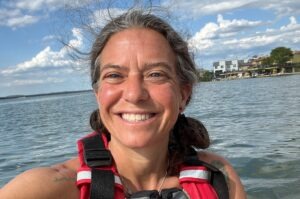
April 8, 2026: Alissa Magrum
This episode of Deep Dive into Water Safety explores a critical truth: drowning is not random, rare, or inevitable; it is a preventable public health crisis. Alissa Magrum, Executive Director of the National Drowning Prevention Alliance, will unpack why drowning continues to impact communities worldwide despite being largely preventable.
Alissa shares her deeply personal journey into drowning prevention and highlights the urgent need to treat water safety as an essential life skill, just like wearing seatbelts or bike helmets. The conversation dives into the concept of “water competency,” emphasizing that safety goes beyond swimming skills to include awareness, environment, and decision-making across all ages and water settings.
They also discuss the challenges of messaging, funding, and policy, and why collaboration locally and globally is key to driving change. From innovative community efforts like life jacket loaner stations and experiential learning, to national strategies and global partnerships, this episode highlights the growing momentum in drowning prevention.
The takeaway is clear: water safety is everyone’s responsibility. With better education, stronger messaging, and collective action, we can save lives and shift the culture around water safety for future generations.
CLICK HERE TO DOWNLOAD
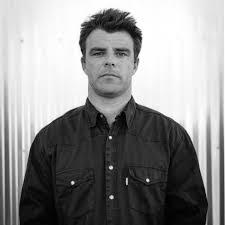
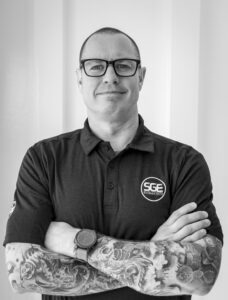
May 11, 2026: Inside the Roundup: Drasko Bogdanovic and Dr. Justin Sempstrott on the Critical Minutes That Save Lives — “Micro Delays Matter”
This episode of Deep Dive Into Water Safety focused on what happens in the first minutes after a drowning rescue and why those moments can determine survival long before someone reaches a hospital. Returning guests Drasko Bogdanovic and Dr. Justin Sempsrott discussed the San Luis Obispo “Roundup,” a large scale rescue training event that brought together more than 250 first responders, including lifeguards, EMS, firefighters, and rescue personnel from Costa Rica, Mexico, and New Zealand. The goal was not classroom learning. It was stress exposure and muscle memory.
Responders trained in cold, wind, wet gear, helicopter wash, long carries, radio coordination, and the confusion that follows a real rescue. The training centered around something Dr. Sempsrott often says in drowning response: “micro delays matter.” A major part of the discussion focused on how drowning differs from many other cardiac arrest situations. Dr. Sempsrott explained why oxygenation and ventilations are critical in drowning cases, especially pediatric hypoxic arrests, and why actions taken by lifeguards and bystanders can shape outcomes before EMS even arrives. He also reinforced the importance of CPR for parents and the public that includes both breaths and compressions in drowning emergencies. Hawaiʻi’s drowning standing orders currently list oxygen as the first intervention.
The conversation also focused on the role of lifeguards within emergency response systems. Drasko Bogdanovic and Dr. Sempsrott argued that lifeguards routinely perform advanced airway and resuscitation skills in uncontrolled environments, yet are often overlooked in funding, planning, and emergency response discussions. The conversation also turned to larger problems in drowning prevention, including inconsistent data collection, underreporting of nonfatal drownings, and the difficulty of tracking long term outcomes after rescue. Prevention remained a constant theme throughout the episode, including public education, supervision, CPR training, engineering solutions, and stronger coordination between agencies.
The episode ended with discussion about how to keep building these programs, including expanding simulation training, strengthening partnerships with organizations including the CDC and the International Drowning Research Alliance (IDRA), and creating lifeguard centered programs that can grow internationally while still addressing local community needs. Drasko Bogdanovic also discussed the Lifeguard Project and the idea of “lifeguards for life,” emphasizing continued collaboration, training, and support for rescuers long after certification.
CLICK HERE TO DOWNLOAD
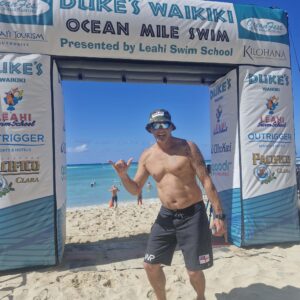
May 5, 2026 Kia Maanu, Kia Ora! Stay Afloat, Stay Alive !
Mark Haimona is a leading Māori water safety educator and researcher from Aotearoa New Zealand whose work has helped reshape Indigenous drowning-prevention strategies through culturally grounded education and community engagement. His career has focused on moving beyond traditional Western lifeguarding models toward approaches that connect directly with communities, culture, and environment.
His work has had strong influence internationally, including in Hawaiʻi, where Native Hawaiian watermen, researchers, and educators have looked to Māori-led models for guidance in developing culturally relevant prevention strategies. Mark’s philosophy and outreach methods helped influence the thinking of Hawaiʻi water safety advocates, including work connected to John “Kalei” Clark and broader Native Hawaiian waterman traditions that emphasize environmental knowledge, ocean awareness, and intergenerational teaching.
A central theme of the discussion was that effective drowning prevention must be culturally grounded. Mark emphasized that Westernized, one-size-fits-all approaches often fail to reach Indigenous communities. Instead, successful strategies are developed “by the people, for the people.” Face-to-face engagement kanohi ki te kanohi was highlighted as essential for building trust and delivering meaningful education. Communities respond more strongly when they understand who is delivering the message and the cultural connection behind it.
The discussion closely paralleled Native Hawaiian ocean knowledge traditions practiced by generations of Hawaiʻi watermen, where reading currents, weather, waves, reefs, and ocean conditions is considered just as important as swimming ability itself. A key message was that many drownings occur not because people cannot swim, but because they lack awareness, preparation, or connection to the environment around them.
Strong parallels were identified between Māori communities and Native Hawaiian communities, particularly in the areas of ocean knowledge, intergenerational teaching, and culturally rooted water safety practices. These lessons can be reinforced in the Hawaiʻi’s 2025 Water Safety Plan and the need to prioritize youth-focused education and community-driven prevention efforts. The conversation reinforced that drowning prevention should be approached as a public health issue requiring collaboration, cultural respect, and continued international exchange between Aotearoa New Zealand and Hawaiʻi.
CLICK HERE TO DOWNLOAD
April 28, 2026: Research, CPSC Warning, and Manufacturer Responsibility
Hanna Van Waart PhD Exercise Physiologist at the University of Aukland discussed full face mask safety, her research and manufacturer’s responsibility
The research article, “Full-face snorkel masks increase the incidence of hypoxemia and hypercapnia during simulated snorkeling compared to conventional snorkels,” was published in Diving and Hyperbaric Medicine in December 2023. The study was led by Janneke Grundemann, with coauthors Xavier C.E. Vrijdag, Nicole Y.E. Wong, Nicholas Gant, Simon J. Mitchell, and Hanna van Waart. Hanna van Waart is affiliated with the Department of Anesthesiology at the University of Auckland. The research team examined whether full-face snorkel masks increase the risk of rebreathing, elevated carbon dioxide, and reduced oxygen levels compared with a conventional snorkel. In the controlled study, 20 healthy participants used two different full-face snorkel masks and a conventional snorkel under seated, light-exercise, and moderate-exercise conditions. The researchers found that full-face snorkel mask trials were stopped more often because end-tidal carbon dioxide exceeded the safety threshold. During light exercise, 18 of 40 full-face mask trials were stopped compared with 4 of 20 conventional snorkel trials. During moderate exercise, 9 of 22 full-face mask trials were stopped compared with 3 of 16 conventional snorkel trials.
The main concern identified by the study is rebreathing caused by non-unidirectional airflow. Full-face snorkel masks are designed to separate inhaled and exhaled air, but the researchers found evidence that this separation was not consistently maintained. Carbon dioxide and oxygen levels in the eye pockets of the masks fluctuated in a way that showed rebreathing in all full-face mask wearers. This means users may rebreathe exhaled air, leading to hypercapnia, which is elevated carbon dioxide, and hypoxemia, which is reduced oxygen in the blood. Traditional snorkels also carry some risk of carbon dioxide buildup, but they allow users to clear the snorkel tube, remove the mouthpiece, or take fresh breaths more easily. Full-face snorkel masks can be harder to remove and may delay access to fresh air, especially if a person is tired, panicked, or already experiencing symptoms from rising carbon dioxide. Because concerning findings occurred in healthy adults, the risk may be greater for children, older adults, and people with underlying heart or lung conditions. There are also fitting issue. Not everyone has the same face, and smaller faces may have worse fit and there is also the factor of individual lung capacity.
These research concerns are reinforced by recent action from the U.S. Consumer Product Safety Commission. In 2026, the CPSC warned consumers to stop using OUSPT full-face snorkel masks immediately because of the risk of serious injury and death from drowning. The CPSC stated that the mask can cause labored breathing, loss of consciousness, excess fluid in the lungs, and increased carbon dioxide levels that can worsen breathing difficulty. The agency also reported five consumer incidents involving trouble breathing, lightheadedness, or loss of consciousness, as well as one lawsuit alleging that the product caused a drowning fatality. Approximately 84,000 OUSPT masks were sold on Amazon between March 2019 and February 2026, and consumers were advised to stop using and dispose of the masks rather than sell or give them away.
Taken together, the Diving and Hyperbaric Medicine study and the CPSC warning support a stronger safety message: full-face snorkel masks should not be treated simply as recreational toys. They function as breathing apparatuses because they control how a person inhales and exhales while face-down in the water. For that reason, manufacturers should carry the responsibility to prove these products are safe through rigorous design testing, independent evaluation, and appropriate regulatory standards before they are marketed broadly to residents, visitors, families, and children.
The practical safety message is that snorkelers should use simple, well-fitted equipment, snorkel with a buddy, take regular fresh-air breaks, and avoid full-face snorkel masks, especially for children, older adults, and people with medical risk factors.
References
Grundemann J, Vrijdag XCE, Wong NYE, Gant N, Mitchell SJ, van Waart H. Full-face snorkel masks increase the incidence of hypoxemia and hypercapnia during simulated snorkeling compared to conventional snorkels. Diving and Hyperbaric Medicine. 2023;53(4):313-320. doi:10.28920/dhm53.4.313-320.
U.S. Consumer Product Safety Commission. CPSC Warns Consumers to Stop Using OUSPT Full-Face Snorkel Masks Immediately Due to Risk of Serious Injury and Death from Drowning Hazard. 2026.
CLICK HERE TO DOWNLOAD
April 28, 2026 From Rescue to Prevention: Ralph Goto on Snorkeling Safety in Hawaiʻi: Understanding the risks behind snorkeling incidents and the future of ocean safety through research, education, and lifeguard leadership
This episode explores the evolution of lifeguarding in Hawaiʻi and takes a deep dive into the growing concerns around snorkeling safety. Veteran ocean safety leader Ralph Goto former Chief of the City and County of Honolulu Ocean Safety Division, longtime lifeguard, and one of the key architects of Hawaiʻi’s modern ocean safety system shares how lifeguarding has transformed from informal “beach boy” roots into a professional, prevention-focused first responder model. His career spans frontline rescue work, department leadership, national recognition, and ongoing involvement in the Hawaiʻi Snorkel Safety Study, giving him a uniquely comprehensive perspective on both operations and prevention.
The conversation centers on snorkeling, now identified as one of the leading activities associated with rescues and fatalities among visitors. The Hawaiʻi Snorkel Safety Study is discussed in depth, examining possible contributing factors such as traveler fatigue, underlying cardiac or pulmonary conditions, equipment resistance, and emerging concerns like rapid onset pulmonary edema (ROPE). While investigations have included medical examiner reviews and equipment testing including analysis of over 100 snorkels the findings remain largely descriptive and inconclusive, highlighting the need for more rigorous, data-driven research.
The episode also addresses concerns about full-face snorkel masks, emphasizing the need for standards, proper fit, and clearer labeling. The discussion calls for shared responsibility across lifeguards, EMTs, fire responders, and the visitor industry, along with stronger collaboration to improve both prevention and response. Proposed next steps include controlled studies, pilot programs at high-risk locations, and improved incident tracking through systems like Watchtower. Beyond research, the episode highlights the importance of prevention through education and community action. Programs led by Duane DeSoto at Nakamakai and others are helping fill gaps where statewide systems have been slow to act. International research, including work by Mike Tipton, supports the growing push to bring water safety education into schools and everyday decision-making for both residents and visitors.
The episode closes with a clear message: drowning prevention in Hawaiʻi and globally requires a coordinated, systems-based approach that combines professional lifeguard services, better data, stronger education, and practical, on-the-ground messaging. For visitors, the guidance is simple but critical: choose guarded beaches, ask questions, and respect the ocean.
CLICK HERE TO DOWNLOAD
April 2, 2026 Standardization of Practice and Lifeguards should be First Responders and Families should know Pushy Pushy Blowy Blowy Sparky Sparky
In this episode, internationally recognized experts Dr. Patrick Morgan Medical Director to His Majesty’s Coastguard. He has been a key contributor to advancing standardized drowning definitions and reporting frameworks, helping align global data and improve prevention strategies. His work spans the full continuum of drowning from prevention and rescue to resuscitation and post-incident care emphasizing a systems-based, data-driven approach. Adrian Mayhew of Surf Life Saving Great Britain brings decades of leadership in emergency response, lifeguard operations, and drowning prevention to the conversation. Together, they outline a systems-based approach that connects prevention, rescue, resuscitation, and post-incident care. He has extensive experience in lifeguard training, operational response, and national program development, helping shape how surf lifesaving is delivered across the UK. His work bridges frontline lifesaving with broader public safety strategy.
They discuss the importance of standardizing drowning definitions, using data to better target risk, and aligning global response frameworks. A major highlight is the United Kingdom’s move to embed water safety education into the national school curriculum by 2026, ensuring children develop practical skills and awareness early in life. The episode reinforces the need to recognize ocean lifeguards as first responders, while also expanding capacity through trained community members and coordinated systems. With drowning costing an estimated £450 million annually in the UK, the discussion underscores that prevention is both a public health and economic priority. At its core, the conversation brings complex systems back to simple, lifesaving action reminding families and communities that in an emergency, knowing “Pushy Pushy, Blowy Blowy, Sparky Sparky” CPR and AED use can make the difference between life and death.
CLICK HERE TO DOWNLOAD
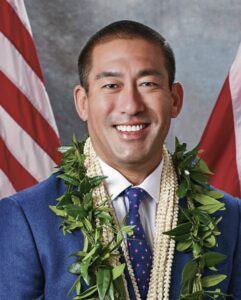
April 17, 2026
For the live show, Margaret catches up with outgoing Kauaʻi Mayor Derek S.K. Kawakami, an avid waterman and surfer, on the collaborations and progress that the Kauaʻi Lifeguard Association has made in the past year. Says Kawakami about the visit that the Okinawan Lifeguards made to Kauaʻi: “The exchange of lifesaving knowledge and culture strengthens our ability to protect everyone enjoying Kaua‘i’s waters. Programs like this build international friendships and make our ocean safety efforts even more effective.” Mayor Kawakami was our first interview for Deep Dive, so to have him back on the show reinforcing messaging as the key to water safety was an honor. Margaret and Anni also chatted about some of the notable interviews in the last year and a bit about what to expect in the year to come.
CLICK HERE TO DOWNLOAD
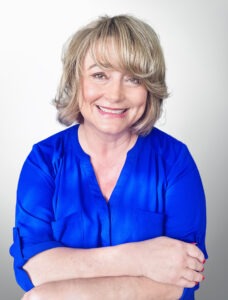

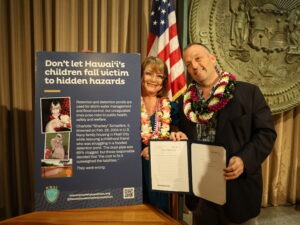 April 4, 2026
Resident not just visitors account for nearly half of ocean drownings in Hawaiʻi, about 49 percent, challenging one of the most common assumptions about who is at risk. Even more sobering: drowning remains the leading cause of death for Hawaiʻi’s children ages 1 to 15. Allison Schaefers, a journalist with the Honolulu Star-Advertiser and a key member of the Hawaiʻi Water Safety Coalition, is helping change that reality. Her work sits at the intersection of public awareness, policy, and prevention treating drowning not as an accident, but as a preventable public health issue. But what makes her voice especially powerful is that it is grounded in lived experience. At the heart of her story is the loss of her daughter in a 2004 drowning. From that unimaginable tragedy came purpose fueling advocacy that contributed to Sharkey’s Law, which will require fencing, signage, and ring buoys at detention ponds beginning in 2027. Schaefers has also played a central role in advancing the 2025 Hawaiʻi Water Safety Plan, a coordinated effort to reduce drowning statewide. The plan is designed to be accessible written at a sixth grade reading level and built for real-world use by families, schools, and community leaders. The data behind the plan is clear: Hawaiʻi continues to face high drowning rates, with Native Hawaiian and Pacific Islander communities disproportionately impacted. At the same time, research shows that water skill retention among young children especially by second grade is alarmingly low. In response, the coalition is moving forward on multiple fronts: county-wide pond safety surveys, community hotspot stewardship, pilot swim programs through the Department of Education, and a new Department of Health campaign supported by the CDC Foundation. Looking ahead, working groups are forming, and a statewide coalition conference on May 14 will help align efforts across agencies and communities. The conversation also highlighted proven strategies from water competency and loaner life jacket programs to reservoir safety inspections and even tourism-based geofencing while acknowledging critical gaps, including the need for better data on non-fatal drownings. The goal is clear: scale what works, share tools and training, and build a coordinated system of prevention across Hawaiʻi. That work is already gaining recognition. The 2025 Hawaiʻi Water Safety Plan has been presented at the Safe Kids Worldwide conference and received national recognition for its approach. This is what prevention looks like when policy, community, and lived experience come together.
CLICK HERE TO DOWNLOAD
March 24, 2026
 March 25, 2026
The Safety Risks of Full-Face Snorkeling Masks, particularly for Children
This interview is based on research presented by Dr. Laura Trapani a pediatrician and clinical researcher affiliated with the IRCCS Burlo Garofolo children’s Hospital and the University of Trieste in Italy. Where her work is helping to reshape how we think about child safety in the water. Full-Face Snorkeling Masks Carry a Risk of Hypercapnia and Drowning in Younger Children: A Case Series 2025.
Dr. Trapani’s research has gotten the attention of the Italian Ministry who are in the process of developing questions to submit to full face mask manufacturers. She also noted that many physicians across Italy have contacted her to provide data and work on this issue. She said it would be great if countries would support this effort with her. The discussion emphasized physiology, real-world case studies, and the need for improved safety standards and public awareness. Key Findings:
Primary Risk: Hypercapnia & Hypoxia Full-face snorkel masks can cause carbon dioxide (CO₂) buildup and reduced oxygen levels. Risk is determined by weight and lung capacity, not age • Children have limited breathing capacity (~7–10 ml/kg) • Example: o 20 kg child → ~200 ml air capacity o Mask volume → ~250 ml or more • Result: Rebreathing CO₂, leading to potential unconsciousness .
- Mechanical & Design Risks • Masks are complex respiratory devices, not toys • Multiple valves and chambers can malfunction • Dead air space can increase up to 1.5 liters if compromised • External factors (saltwater, sand, heat) can degrade performance.
- Silent Drowning • Victims may not show distress signals • Gradual slowing, confusion, then unconsciousness • Applies to both children and adults.
CLICK HERE TO DOWNLOAD
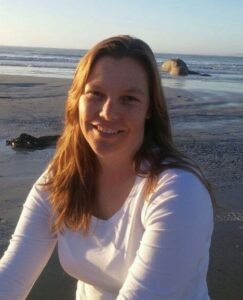 March 24, 2026
“Drowning Isn’t Inevitable It is Preventable.” – Dr. Colleen Saunders
Dr. Colleen Saunders is a leading researcher in drowning prevention whose work is helping to reshape how we understand water safety on a global scale. Her journey into this field didn’t begin in a laboratory it began in the ocean. She spent nearly two decades as a voluntary lifeguard at Big Bay in Cape Town, where lifesaving became part of who she is. What started as a passion and a commitment to protecting others in the water would eventually evolve into a powerful research career. After completing her PhD, she found herself searching for direction and began analyzing drowning incidents and media reports for Life Saving South Africa. What she uncovered was striking there was very little research focused on drowning and prevention in South Africa. That realization changed the course of her work. Today, Dr. Saunders operates at the intersection of research, policy, and real-world prevention, bringing visibility to one of the most overlooked public health challenges in the world. We start with a conversation from her current paper in the African Journal of Emerging Medicine Leave No One Behind.
This conversation reinforced the central mission: drowning is not a random accident but a preventable public health issue shaped by systems, access, and equity. A key takeaway for your work in Hawaii is that incomplete data should not delay action; while drowning is under-counted globally (especially non-fatal and flood-related cases), policymakers can still move forward using what is known. The discussion strongly validated your focus on disparities, particularly among Indigenous and under-served populations, highlighting that access to swim education, safe environments, and water familiarity are major drivers of risk. On prevention, the most important insight was the concept of layers of protection – supervision alone is not enough. Effective strategies combine barriers (like fences), restricted access, environmental safety, and early water competency. You also explored how drowning risk extends beyond beaches and pools to homes, infrastructure, and flooding, reinforcing your broader messaging approach. Finally, the conversation strengthened your policy angle: drowning has a high economic cost due to its impact on young people, and even small investments in prevention can yield significant returns. The unifying message that emerged, one you’re already championing, is clear: drowning is preventable with the right systems in place.
CLICK HERE TO DOWNLOAD
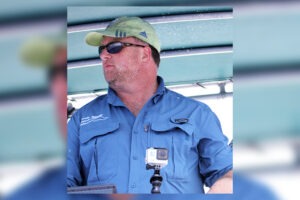 March 3, 2026: Robin Baird, PhD Marine Mammal Researcher
Robin Baird is a marine biologist with the Cascadia Research Collective who has been studying dolphins and whales in Hawaiian waters since 1999. During this interview, he discussed how little scientific information previously existed about many nearshore species in Hawaiʻi and how long‑term research has helped improve understanding of marine mammal populations, behavior, and conservation needs. The interview explored human impacts on marine mammals and how people can interact responsibly with wildlife in the ocean. He has authored The Lives of Hawai’is Dolphins and Whales natural History and Conservation.
The conversation explored how marine mammals are studied, the pressures they face from human activity, and how ocean users including paddlers, swimmers, and tour operators can interact responsibly with wildlife. The interview also highlighted the importance of translating scientific knowledge into practical awareness for the public.
Human Impacts on Marine Mammals
- Boat traffic and vessel disturbance.
- Noise pollution in the ocean environment.
- Fishing interactions and entanglement risks.
- Increasing human activity in nearshore habitats.
Responsible Ocean Behavior
- Maintain respectful distances from dolphins and whales.
- Avoid chasing or attempting to closely approach marine mammals.
- Allow animals to control the interaction if they approach.
- Follow federal marine mammal protection guidelines.
Key Takeaways
- Long‑term research is essential to understanding Hawaiian marine mammal populations.
- Human behavior in the ocean can significantly affect wildlife.
- Public awareness and education are critical for conservation.
CLICK HERE TO DOWNLOAD
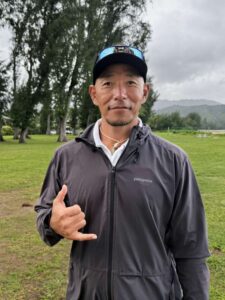 February 19, 2026
Taishi Otono is a respected leader in ocean safety and lifesaving in Okinawa, Japan, and an emerging international voice in collaborative drowning prevention. Through his work with the Okinawan lifesaving community, Otono has helped strengthen professional guard training, rescue operations, and cross-cultural partnerships aimed at improving coastal safety. Okinawa shares many similarities with Hawaiʻi—both are island regions with strong ocean cultures, heavy tourism, and complex coastal environments shaped by reef systems, powerful currents, and seasonal weather patterns. Like Hawaiʻi, Okinawa faces the dual challenge of protecting residents while also safeguarding visitors who may have limited ocean experience. Otono’s work focuses on practical, field-based solutions that improve real-world outcomes for lifeguards and the public. In recent years, Otono has collaborated with ocean safety leaders in Hawaiʻi, including partnerships connected with the Hawaii Lifeguard Association and North Shore ocean safety professionals. These exchanges have included joint training sessions, rescue technique discussions, jet ski deployment strategies, and shared analysis of rip-current response models. His involvement reflects a growing recognition that drowning prevention benefits from international cooperation and shared data. A key aspect of Otono’s leadership is his emphasis on adaptability. Okinawan beaches, like those in Hawaiʻi, range from protected lagoons to high-energy reef breaks. Guard teams must understand localized hazards, communicate clearly with multilingual visitors, and respond quickly to dynamic surf conditions. Otono has been instrumental in refining operational approaches that integrate traditional lifesaving methods with modern rescue equipment and personal watercraft support. Beyond operational work, Otono supports public education efforts that improve awareness of rip currents, reef hazards, and safe ocean behavior. By working alongside international experts and local community leaders, he contributes to a broader message: drowning is preventable when science, training, and communication work together. His collaboration with Hawaiʻi represents more than a professional exchange—it reflects a shared island responsibility. Both Okinawa and Hawaiʻi understand that the ocean is central to culture, recreation, and identity. Through ongoing partnership, Taishi Otono is helping build a stronger, more connected global water safety network—one that prioritizes prevention, preparedness, and respect for the sea.
CLICK HERE TO DOWNLOAD
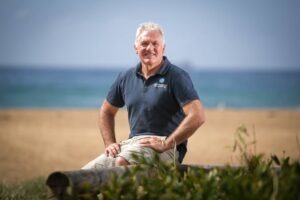
February 15, 2026
Professor Rob Brander is an internationally recognized coastal geomorphologist and one of the world’s leading experts on rip currents and beach safety. His research has played a major role in reshaping scientific understanding of rip current behavior and how people respond when caught in them. Professor Brander is based at the University of New South Wales (UNSW) in Sydney, Australia, where he serves in the School of Biological, Earth & Environmental Sciences. He holds undergraduate and master’s degrees from the University of Toronto and earned his Ph.D. from the University of Sydney. Key Contributions to Rip Current Science:
- Conducted pioneering field research on rip current dynamics and beach morphology.
- Led groundbreaking studies examining swimmer behavior in rip currents, including interviews with survivors and GPS tracking of swimmers in controlled conditions.
- Helped challenge outdated safety advice by demonstrating that panic and fighting the current increases risk, while floating, conserving energy, and signaling for help often improves survival.
- Collaborated internationally with scientists such as Dr. Jamie H. MacMahan to link physical oceanography with real-world safety outcomes.
Resources
UNSW Beach Safety Research Group www.beachsafetyresearch.com
Personal website www.scienceofthesurf.com
Dr. Rip’s Essential Beach Book International Edition https://cup.columbia.edu/book/dr-rips-essential-beach-book/9780231217408
CLICK HERE TO DOWNLOAD
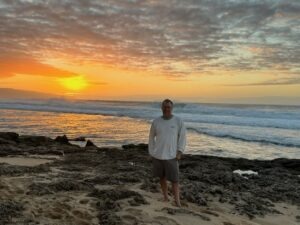
February 14, 2026
Jamie McMahan, a leading researcher whose work focuses on how people experience and survive rip currents in real-world ocean conditions. Jamie is a professor of oceanography at the Naval Postgraduate School in Monterey, California. His research has helped reshape how scientists, lifeguards, and safety professionals understand rip currents not just as physical ocean processes, but as human survival events. With coastal drowning remaining a critical issue worldwide and here in Hawaiʻi this conversation is especially timely. We explore what research tells us about how rip currents actually work, why traditional safety messaging sometimes fails in real conditions, and how new, evidence-based approaches can better help both locals and visitors respond effectively when they find themselves caught in a rip current. Rip-current science is solid. The challenge is human behavior and communication. Effective prevention depends on clear, location-specific messaging, early education, visual demonstration, and close collaboration between scientists and lifeguards. He has volunteered to meet with guards online to discuss all the technical questions they may have about rip currents.
CLICK HERE TO DOWNLOAD
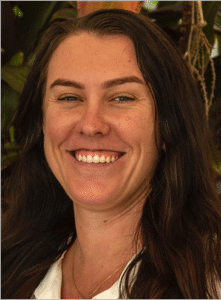
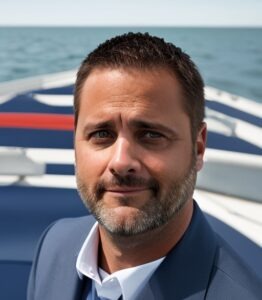
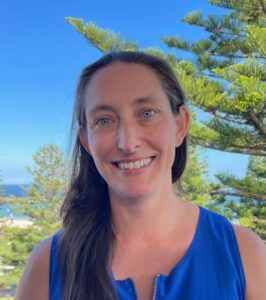
February 12, 2026
Why aren’t lifeguards first responders? This interview is focusing on a part of aquatic safety that is often overlooked but critically important the psychological impact of critical incidents on lifeguards and aquatic professionals. This conversation is about evidence, responsibility, and the people who protect lives in and around the water and what it takes to protect them in return. Lifeguards are routinely exposed to high-stress events: rescues, near-drownings, fatalities, and repeated exposure to trauma. Yet unlike many other first-responder professions, the mental health and wellbeing of lifeguards has historically been under-studied and under-resourced. Three leaders who are working together to change that through research, international collaboration, and practical support systems for lifeguards and aquatic professionals worldwide are part of this important discussion. Dr. Sam Fien is a Senior Lecturer at CQUniversity Australia, the National Wellbeing Advisor for Surf Life Saving Australia, and the State Lifesaving Officer and Research Panel Chair for Surf Life Saving Queensland. Her work bridges research, policy, and operational wellbeing across lifesaving organizations. Tyler Anderson is the President of the International Lifeguard Critical Incident Response Alliance, an organization dedicated to peer support, critical incident stress management, and post-incident care for lifeguards and aquatic professionals. And Dr. Jaz Lawes is the National Research Manager for Surf Life Saving Australia, with extensive experience in applied research that directly informs frontline lifesaving practice. Together, they are part of a team that created the International Aquatic Personnel Critical Incident Prevalence & Impact Survey a global effort to document, at scale, what lifeguards and allied aquatic professionals experience, how those experiences affect them, and what support systems truly make a difference. The survey is open through July of 2026 and welcomes participation from adult lifeguards, past or present, as well as allied aquatic professionals including beach, pool, and waterpark leadership who support lifeguards in their work.
If you would like to participate, the survey can be accessed at:
https://qr.ilcira.org/CISurvey
And for aquatic leaders interested in learning more about building Peer Support Teams or integrating post-incident Critical Incident Stress Management services into their operations, more information is available by contacting: info@ilcira.org
CLICK HERE TO DOWNLOAD
January 17, 2026
Drasko Bogdanovic is a California State Parks ocean lifeguard, flight paramedic, educator, and the founder of The Lifeguard Project, a national storytelling and advocacy platform focused on reframing how lifeguarding and drowning prevention are understood. His work aligns closely with Hawaiʻi, widely recognized as the epicenter of water safety, where the ocean demands exceptional expertise, vigilance, and cultural awareness. Drawing from frontline experience, Drasko approaches drowning prevention not as a series of isolated accidents, but as a predictable and preventable public health issue. Through The Lifeguard Project, he emphasizes that prevention happens long before a rescue, elevating the role of lifeguards as professional risk managers and educators, a perspective long held in Hawaiʻi. In the interview, Drasko stressed the urgent need to modernize water safety messaging. Traditional signs and warnings alone are no longer effective, particularly in visitor-heavy destinations like Hawaiʻi. He advocates for human-centered, digital storytelling that uses authentic lifeguard voices to cut through modern noise and connect emotionally with the public. The conversation also highlighted the importance of global collaboration, linking Hawaiʻi with water safety leaders in California, Australia, the UK, and beyond. The guiding philosophy of The Lifeguard Project, “By Lifeguards, For Life,” reflects a belief that the most effective drowning prevention strategies are shaped by those closest to the water and strengthened through shared knowledge worldwide.
CLICK HERE TO DOWNLOAD
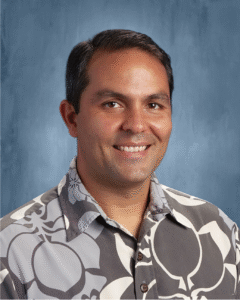
January 14, 2026 George Centeio works with the Hawaiʻi State Department of Education as an Educational Specialist for Physical Education, supporting schools across the state in helping students build healthy, active lives. His work connects physical education, student well-being, and real-world safety, especially important in a place like Hawaiʻi, where water is part of everyday life. In this conversation, we talk about how education, particularly physical education, can help keep Hawaiʻi’s keiki safer in and around the water. It’s a discussion grounded in the reality of growing up surrounded by ocean, rivers, and pools, and why water awareness is truly a life skill here. George explains why water safety is about much more than swimming lessons. It’s about understanding conditions, recognizing risk, knowing your limits, and learning how to respond when something goes wrong. These are skills that build confidence, not fear—and when they’re taught early and reinforced over time, they can prevent tragedies. We also explore how schools can play a meaningful role by weaving water safety into education standards and everyday learning. Physical education offers a natural place for these lessons, especially when schools partner with lifeguards, community groups, and programs like Nā Kama Kai on the west side of Oʻahu, bringing learning out of the classroom and into real environments. The takeaway is hopeful and clear: drowning is preventable, and education is one of our strongest tools. By starting early, working together, and connecting learning to life in Hawaiʻi, we can better prepare our keiki to enjoy the water safely and create a stronger culture of water safety for everyone.
CLICK HERE TO DOWNLOAD
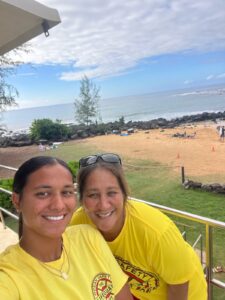
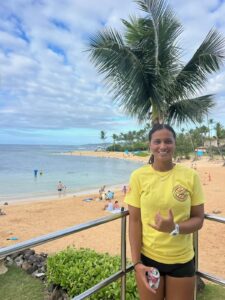 January 13, 2026 January 13, 2026. This show brings the conversation home to Kauaʻi. Iʻm honored to be joined by four professional female lifeguards who protect our islandʻs beaches every day: Sanoe Hookano, Lei Deguchi, Lemon Holliday, and Aarya DeBaldo. Each of these women brings deep local knowledge, strong ocean skills, and constant vigilance to their work on the tower. They read conditions, watch people, and make decisions that prevent emergencies long before a whistle is blown or a rescue is needed.
Femal lifeguards like Sanoe, Lei, Lemon and Aarya are an essential part of water safety on Kauaʻi. They are often the first point of connections for families, visitors, keiki, and kūpuna, offering calm guidance, clear warnings, and reassurance in a powerful ocean environment. Weʻll hear directly from the about what they see on our beaches, how they approach prevention, and what they want the public to understand about staying safe in Kauaʻi waters.
CLICK HERE TO DOWNLOAD
 December 19, 2025 For the Live on-air show, Margaret focuses on some key messages that sheʻs picked up from the yearʻs interviews. But first she aired a news story about the lifeguards at Australiaʻs Bondi Beach being initial responders to the tragedy there. Bruce Hopkins speaks to us about rip currents. Dr Sempstrott gave us information about CPR for water rescues. Dr Yanigahara talked about jelly fish sting protocols and her product Sting No More. Kalani Vierra came to us as Kauaʻiʻs head of Ocean Safety and Kaina Makua talked about the need for ceremony for native kids to keep ocean safety top of mind.
CLICK HERE TO DOWNLOAD
November 21, 2025 Kalani Vierra is the Chief of the Kaua‘i Ocean Safety Bureau and one of Hawai‘i’s most respected and accomplished watermen. Kalani is internationally recognized for his expertise in rescue watercraft (jet ski) operations, and he has trained lifeguards across Hawai‘i and internationally in advanced ocean-rescue techniques. His leadership has shaped how lifeguards respond to emergencies on Kaua‘i’s beaches. Kalani also serves as President of the Hawai‘i Lifeguard Association (HLA), where he helps
guide statewide standards, training, and public-safety initiatives. He was instrumental in the development and growth of the Junior Lifeguard Program, which has become one of
Hawai‘i’s most successful youth ocean-safety initiatives. Under his leadership and mentorship, Kaua‘i’s Junior Lifeguards have won multiple state championships. Kalani is also an author of a childrenʻs book, Hawaii Lifeguard.
CLICK HERE TO DOWNLOAD
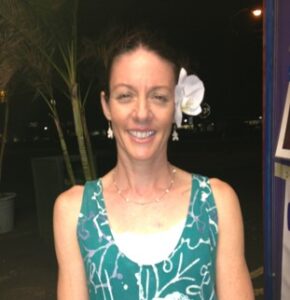
November 4, 2025 Bridget Kaumeheiwa Velasco is a Hawaiʻi-based public health professional focused on drowning prevention, spinal cord injury prevention, and community water-safety education. She has served with the Hawaiʻi State Department of Health (HDOH) in preparedness and injury prevention roles, collaborating with lifeguard organizations, schools, and community partners to reduce drowning and ocean-related injuries statewide. “Keeping everyone who goes in the ocean safe is a top priority.” Snorkeling is a leading cause of drowning for visitors to Hawaii and Velasco said we need to collaborate and work with Hawaii Tourism Authority to decrease drowning rates among visitors. She is interested in doing more research and social marketing to target the right messaging to residents and visitors. She would like to see the World Drowning Prevention Conference to be held in Hawaii. She presented her work on rescue tubes at the 2023 conference in Perth.
CLICK HERE TO DOWNLOAD
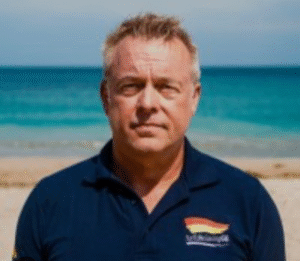
October 23, 2025 Adrian Mayhew brings insight into the latest research and applied physiology in flood rescue, technical rescue, and water safety management. He is deeply involved in bridging operational lifesaving practices with research and evidence-based training across international contexts. Working with Mike Tipton on “lab to lifesaving” has made an impact worldwide. Adrian says Drowning is a global issue; we need legislation, manufacturing, and clear messaging. Drowning data is just the tip of the iceberg. There is a need to collect non-fatal drownings worldwide. His research is insightful, and as he says,” By creating what will be the International Lifesaving Federation, there will be one standard approach: everyone is trained the same, everyone has the same PPE, and everyone knows the terminology and training skills. This will mean for the first time globally we as a world can do good things when the bad things happen”.
CLICK HERE TO DOWNLOAD
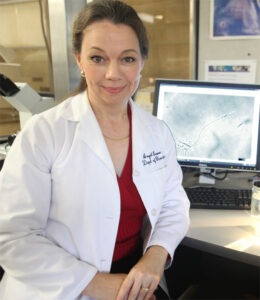
October 5, 2025 Dr. Angel Yanagihara is a leading biochemist and toxinologist internationally recognized for her groundbreaking work on venomous marine invertebrates—particularly the box jellyfish (Alatina alata) and bluebottle (Physalia physalis). Based at the University of Hawai‘i at Mānoa, she is an associate researcher at the Pacific Biosciences Research Center and directs the Pacific Cnidaria Research Laboratory. Her research dispels long-held myths about jellyfish stings and establishes evidence-based first aid protocols grounded in cellular and biochemical science. Working in partnership with the U.S. military, Dr. Yanagihara developed Sting No More®, a first-aid product line that neutralizes jellyfish venom and is now used globally in marine safety operations. A global leader in cnidarian envenomation science, Dr. Yanagihara’s research has shaped protocols for beach management, lifeguard response, and swimmer safety worldwide. Her real-life contributions to open-water safety were featured in the 2023 Netflix film Nyad, in which she was represented as part of the scientific and medical support team ensuring Diana Nyad’s successful Cuba-to-Florida crossing.
CLICK HERE TO DOWNLOAD
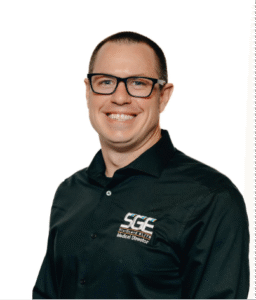
September 30, 2025 Dr. Justin Sempsrott, M.D. is an internationally recognized emergency medicine physician, surf lifeguard and leader in global drowning prevention. He has combined clinical expertise with decades of frontline lifeguarding experience to advance lifesaving practices, research and training across the world. He had a lot to say about drowning prevention, especially around CPR messaging. As a member of the International Drowning Research Alliance, we hope to have him back on to talk about the conference in Egypt in late November of this year. Dr. Sempsrott is a member of Lifeguards Without Borders, a group dedicated to lessening the global burden of drownings.
CLICK HERE TO DOWNLOAD
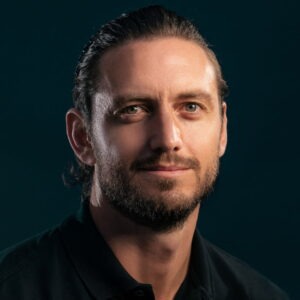
September 25, 2025 Luke Cunningham is cofounder of Deep Blue Technologies, a cutting-edge AI system developed in Dubai UAE aimed at supporting lifeguards in both pool and open water environments. This software was internationally recognized in London as “Start-up of the Year” in 2025. Luke had some exciting news about this technology and how we can collaborate here on Kauaʻi to prevent drownings.
CLICK HERE TO DOWNLOAD
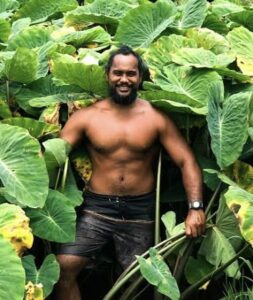
September 23, 2025 Kaina Makua is a kalo farmer, cultural practitioner, educator, and actor from Waimea, Kauaʻi. He is a cofounder and executive director of Kumano I Ke Ala which uplifts Hawaiian youth through ʻāina -based education. He operates Aloha ʻĀina Poi Co. which distributes thousands of poi annually revitalizing kalo farming and strengthening cultural food security. In addition to his farming and education work, Kaina Makua plays King Kamehameha in the Apple TV+ series Chief of War. He has some insightful words about water safety and the strengthening Hawaiian culture.
CLICK HERE TO DOWNLOAD
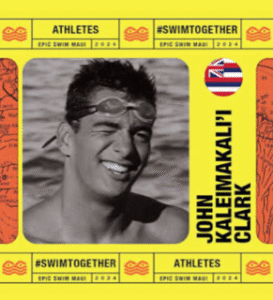
September 16, 2025 John Kaleimakaliʻi Thornton Clarke, who happens to be the grand nephew of Duke Kahanamoku, is an accomplished waterman in his own right and a researcher with the Hawaii Department of Health. He epically swam around Maui to bring awareness to the fact that native Hawaiians are drowning at a higher rate than other population groups.
CLICK HERE TO DOWNLOAD
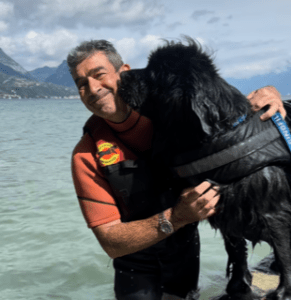
September 5, 2025 Margaret talks internationally with Ferruccio Pilenga, president of Italian School for Lifeguard Dogs, that focuses on training dogs to help with water rescue efforts. He is aided by translators Simone and Valentina. Reef is Ferruccioʻs Newfoundland who made a brief appearance. Dogs make excellent rescue partners because they instinctively choose the best water current paths to safety, and they can add strength and endurance to the rescue operation.
CLICK HERE TO DOWNLOAD
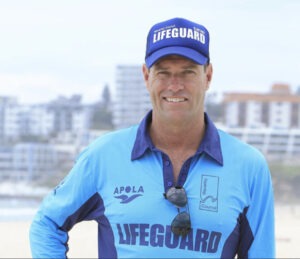
September 4, 2025 Bruce Hopkins, head lifeguard at Bondi Beach in Australia. A media personality as well as award-winning lifeguard, Bruce has appeared in 18 seasons of the Australian TV show “Bondi Rescue”. He talks to us today about effective swimming, but even more importantly, effective floating. He also brings an interesting perspective to experiencing rip currents. Listen here for his rip current research.
CLICK HERE TO DOWNLOAD
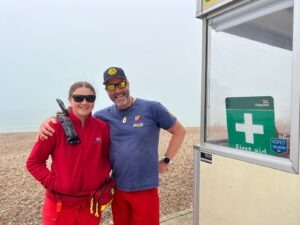
August 18, 2025 In this episode of Deep Dive into Water Safety, Margaret Wright speaks with David and Tia Samuel from Brighton, England, about how surf lifesaving, family involvement, and early education are changing the way communities approach drowning prevention. David shares how Brighton Surf Life Saving Club grew into a major volunteer-driven organization and explains the success of their innovative “Sandhoppers” program, which teaches children ages 5–7 water confidence and safety skills alongside their parents.
Tia discusses her journey from youth surf lifesaving to becoming an RNLI lifeguard, highlighting the importance of creating opportunities for young women in lifesaving and emergency response. The conversation explores CPR training, community response systems, school-based water safety education, and the need for stronger public messaging for residents and tourists.
The episode also compares Hawaii’s ongoing drowning prevention challenges with successful international models from the UK, emphasizing that drowning is preventable through education, collaboration, and building a lifelong respect for the ocean. David and Tia bring practical ideas, real-world experience, and an inspiring perspective on how communities can create a stronger culture of water safety for future generations.
CLICK HERE TO DOWNLOAD

August 15, 2025 Niki Roderick is the founder and CEO of Free Dive Safe and is the NZ record holder for free diving. A dedicated ocean woman, she is also a strong advocate for water safety in schools. But not only for children, for adults and all ocean lovers. Her work supports free divers, paddlers, spear-fishers, boaters and more. She is currently working to get water safety as standard curriculum in Hawaii middle schools.
CLICK HERE TO DOWNLOAD
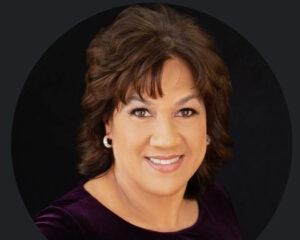
August 15, 2025 Shirley DeRego of the Alex and Duke DeRego Foundation talks about the reasons for her work in getting water safety education into schools and info for new parents. She brings a very human and down to earth approach to water safety and a passion for educating children. Drownings are preventable and the need for water safety education in schools as part of the curriculum is crucial to tackling this worldwide problem.
CLICK HERE TO DOWNLOAD
August 15, 2025 Full On-Air Show: After sharing the statistics that Hawaii has the 2nd-highest drowning rate in the country, Margaret shares excerpts from two interviews with some exceptional women who are making a difference in the water safety landscape. Shirley DeRego of the Alex and Duke DeRego Foundation talks about the reasons for her work in getting water safety education into schools and info for new parents, and Niki Roderick talks about her work with Free Dive Safe and the programs available for middle school aged kids. Both women give foundational knowledge for water safety.
CLICK HERE TO DOWNLOAD

July 18, 2025 Full On-Air Show: Duane DeSoto called in to the studio. He is instrumental in the Hawaii nonprofit Nā Kama Kai, which focuses on connecting keiki to the ʻāina and the kai. Duane is working hard to promote a safe water culture among the people of Hawaii and his message is broad and applicable for all water people.
CLICK HERE TO DOWNLOAD

July 18, 2025 Extra Interview: Professor Mike Tipton MBE is a Professor of Human & Applied Physiology at the Extreme Environments Laboratory, School of Sport, Health & Exercise Science at the University of Portsmouth in the UK. He was kind enough to speak with us about the physiology of drowning. This is a hard interview to hear, but oh so important as we take on the topic of water safety. Check out this video on the Float to Live project.
CLICK HERE TO DOWNLOAD
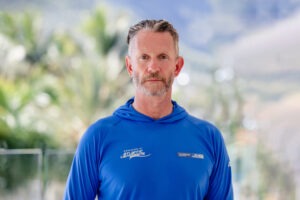
July 18, 2025 Extra Interview: Margaret talks in studio with Ian Couch, the water safety expert for Worldʻs Toughest Row. The Toughest Row folks were on Kauaʻi receiving teams of rowers who traveled from Monterey, CA to Hanalei Bay. Ian talks about making safety a culture and how athletes take on this grueling and amazing trip.
CLICK HERE TO DOWNLOAD
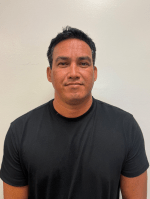
June 20, 2025 part 2 Lieutenant Chad Listman, long time Kauaʻi lifeguard and board member of the Kauaʻi Lifeguard Association, calls in to talk about water safety and to share safe places to swim. He also gives us some harrowing rescue stories and updates on some of the water safety awareness programs going on right now.
CLICK HERE TO DOWNLOAD
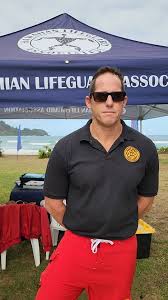
June 20, 2025 part 1 Margaret invites North Shore lifeguard Chris Pico in studio to share about the importance of water safety from the lifeguard’s perspective and to share about the free app Pulse Point. What’s charming is that Chris’ daughter, Harper, was in studio as well, watching her show and petting the dog and you can hear it a bit. Chris said, before we started the show, that he sought out Pulse Point on Kauaʻi for her.
CLICK HERE TO DOWNLOAD
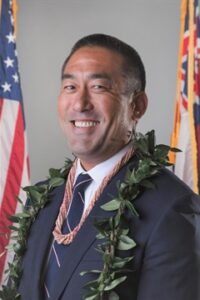

May 15, 2025 For the inaugural Deep Dive, Margaret talks with guests about the Hawaii Water Safety Plan, I Kalepana Kākou Ma Ka Wai. First she speaks with Kauaʻi Mayor Derek S.K. Kawakami, Kauaʻi native and avid surfer. Then Alissa Magrum from the National Drowning Prevention Alliance talks about the creation of the National Water Safety Plan, first published in 2023. Then Sarah Fairchild from the Outrigger Duke Kahanamoku Foundation gives us details about the Hawaii Water Safety Plan.
CLICK HERE TO DOWNLOAD
Want more information? Margaret compiled a list of sources for you to explore.